Vinnix supplies research peptides to qualified researchers and laboratories for in vitro and laboratory research use. Please confirm before continuing.
By proceeding you confirm the statements above are true. Vinnix products are not for human or veterinary use, not for use in diagnostic procedures, and have not been evaluated by the U.S. Food and Drug Administration. Full disclaimer.
Not a researcher? Exit
Research compounds & educational resources
Scientific Information. Product Specifications. Analytical Documentation. Explore the Vinnix catalog and research library for information about research peptides and related compounds. Browse compound profiles, molecular characteristics, analytical testing terminology, scientific references and available product-specific documentation.
Explore Vinnix
Everything here is organized around the compounds themselves. Browse individual peptides, peptide blends and the analytical documentation that goes with them, or read up on the terminology that turns up again and again in peptide research.
Single peptide compounds and peptide blends, each with its specifications laid out clearly and its documentation linked. Browse the research peptide catalog.
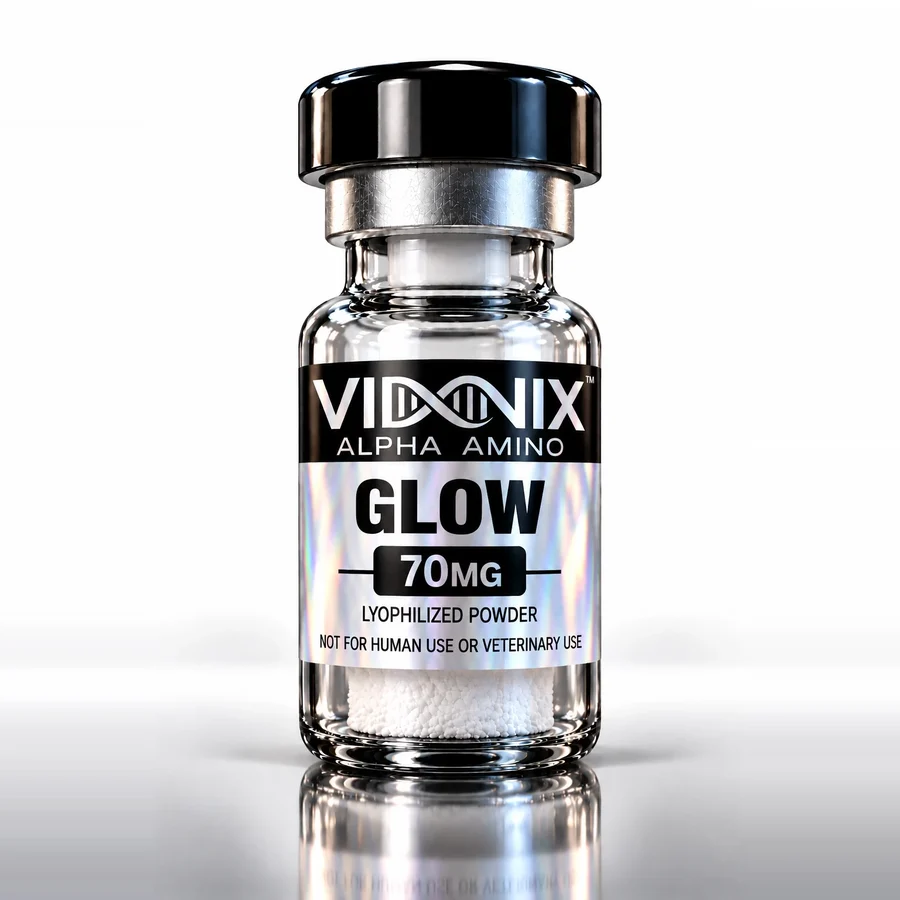
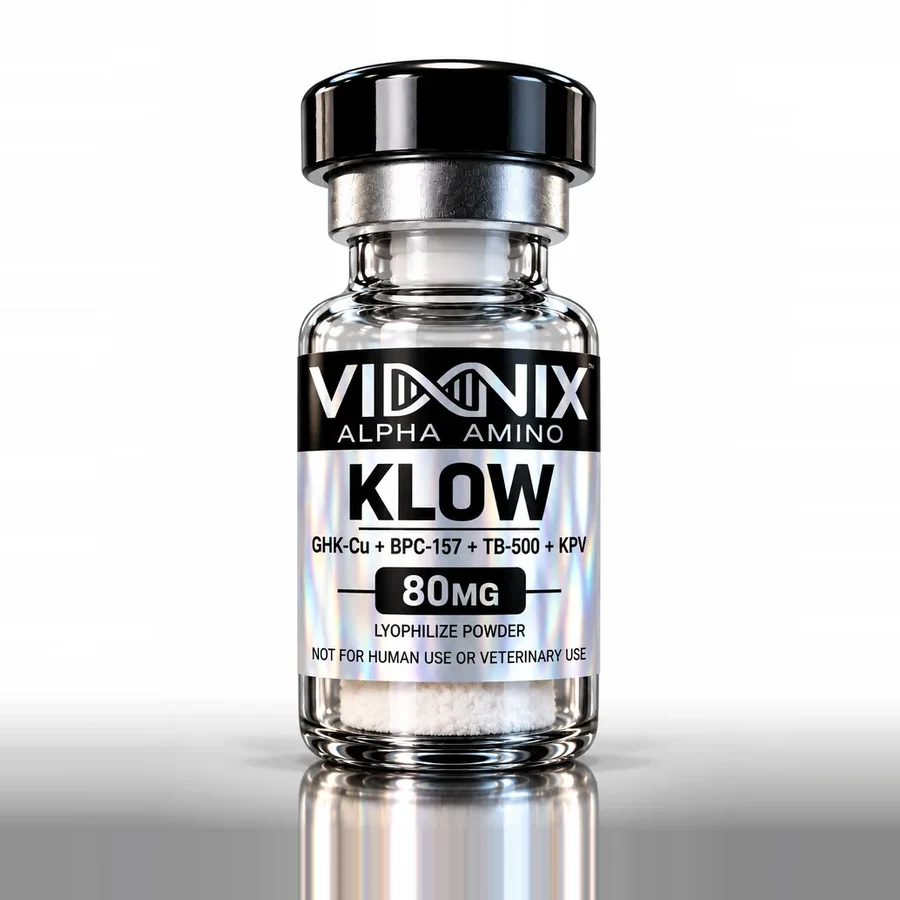
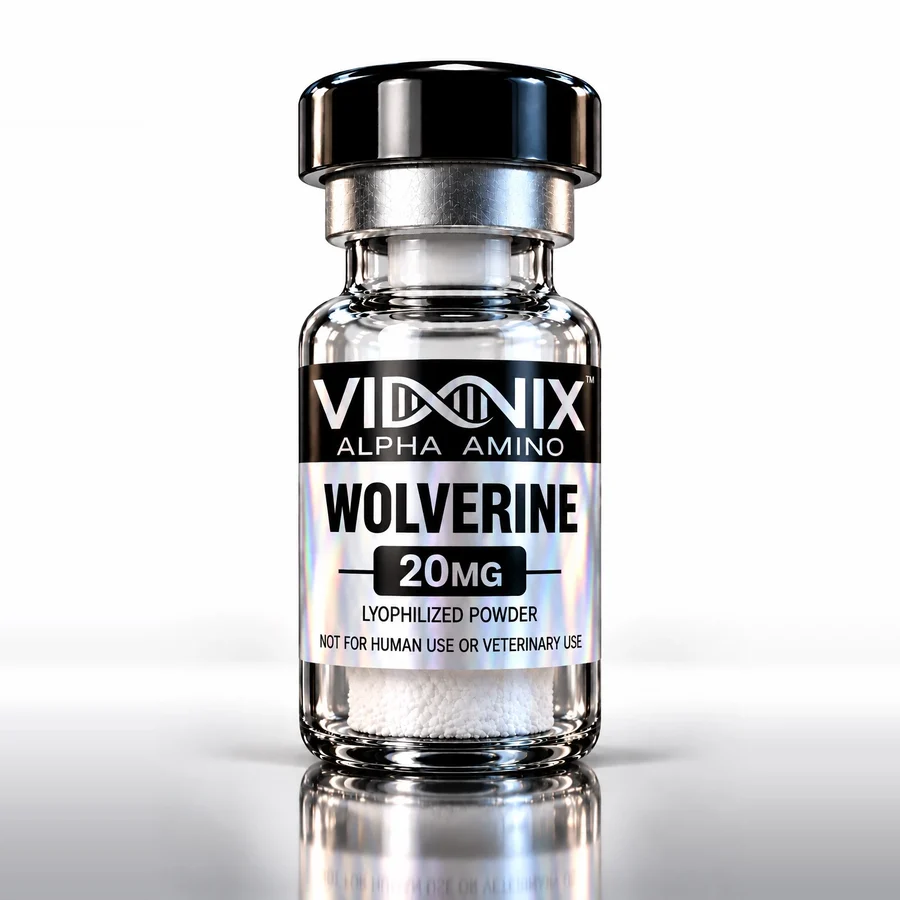
Multi-peptide research blends such as GLOW, KLOW, Wolverine and CJC-1295 + Ipamorelin, each with its components listed. Browse peptide blends.
Chromatography and mass spectrometry are the two methods you’ll meet most often when peptides are characterized. Find out what each one can tell you, and what it can’t. Read the peptide testing guide.
Articles on peptides, amino acids, peptide bonds, sequences and analytical chemistry, plus profiles of individual compounds. Visit the Research Library.
Research catalog
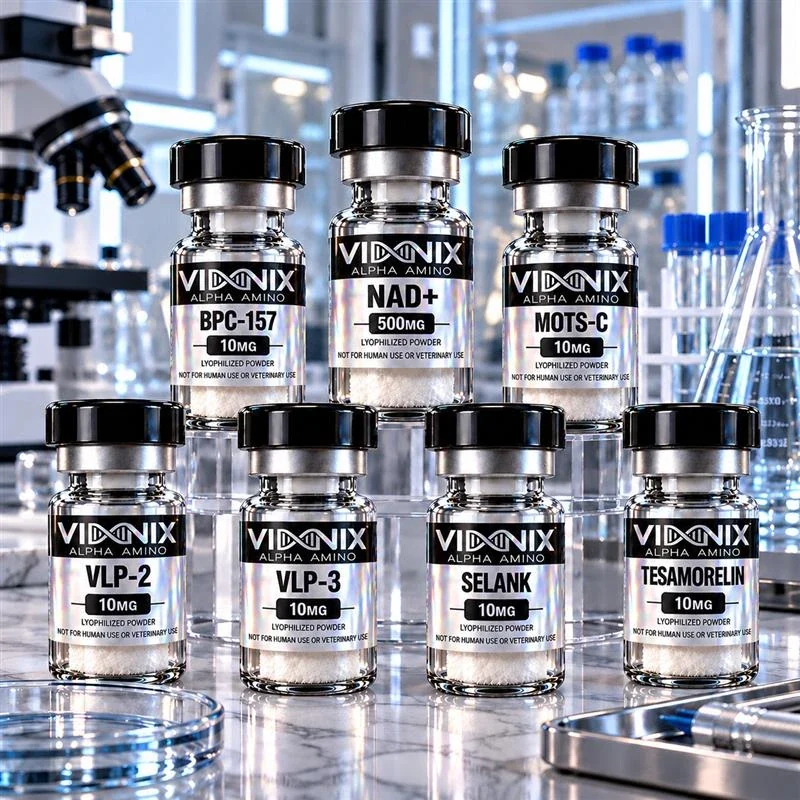
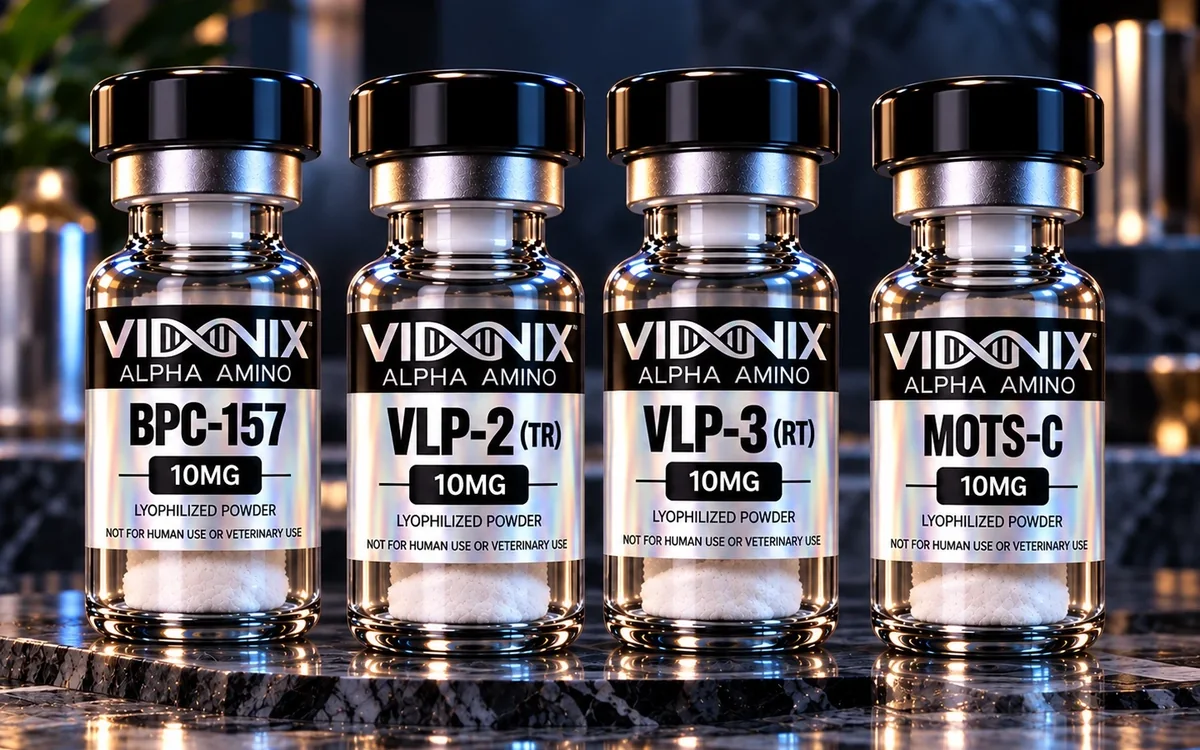
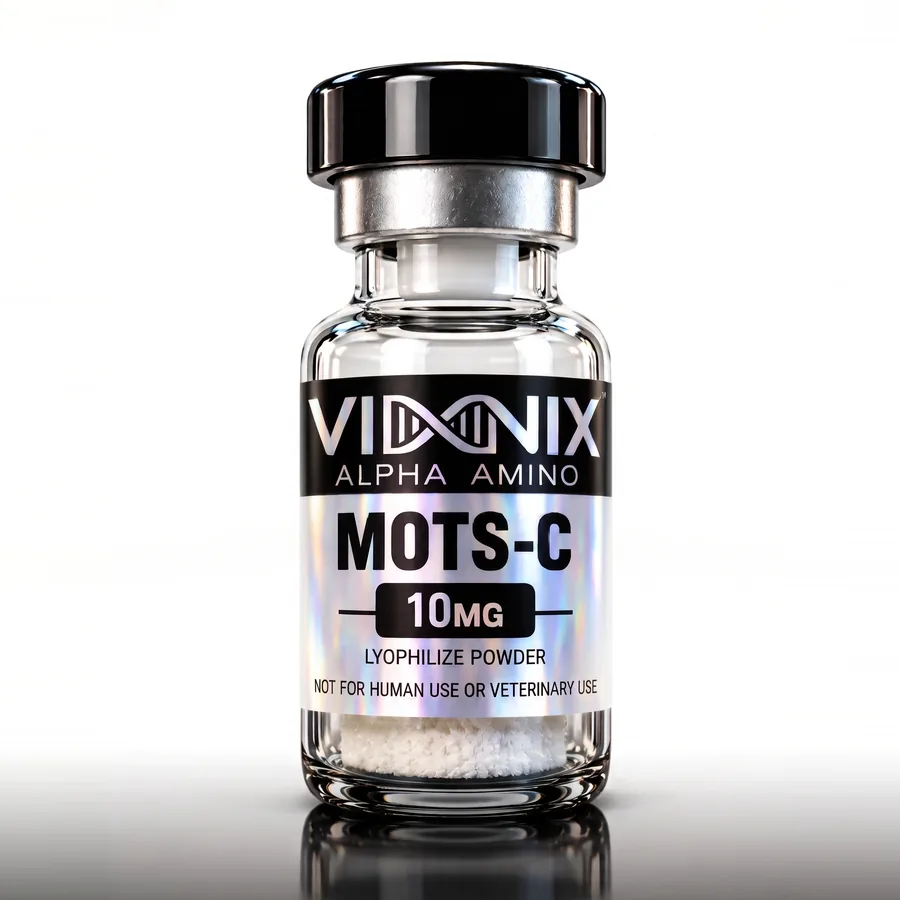
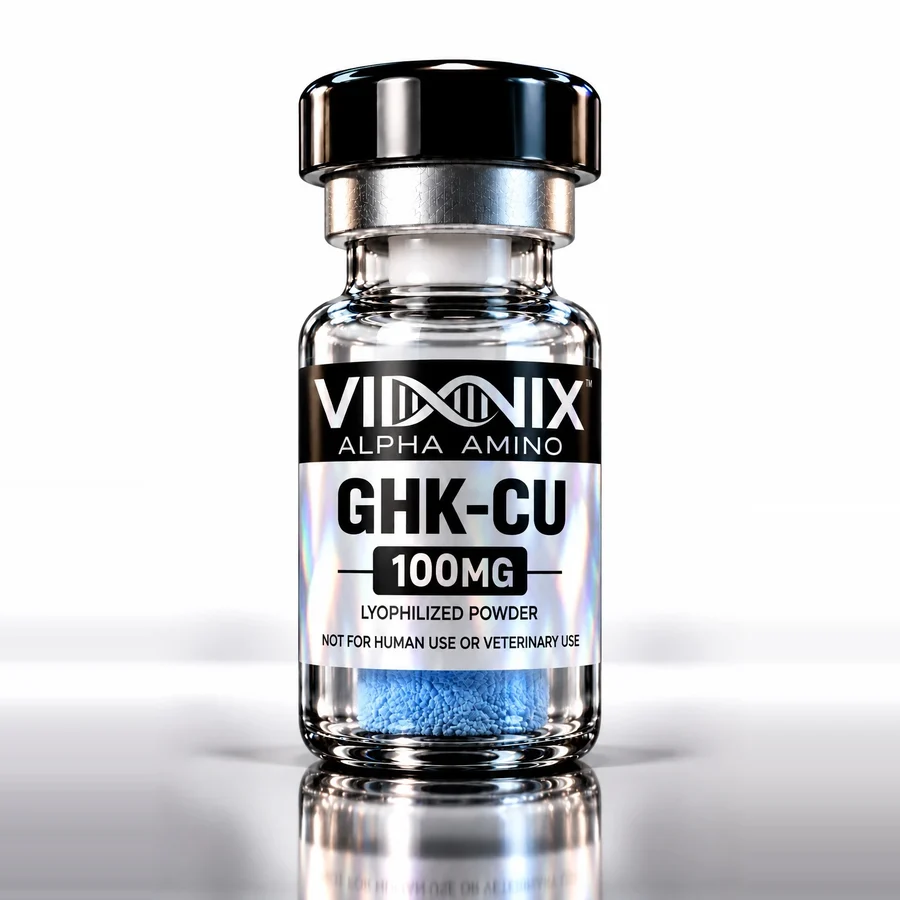
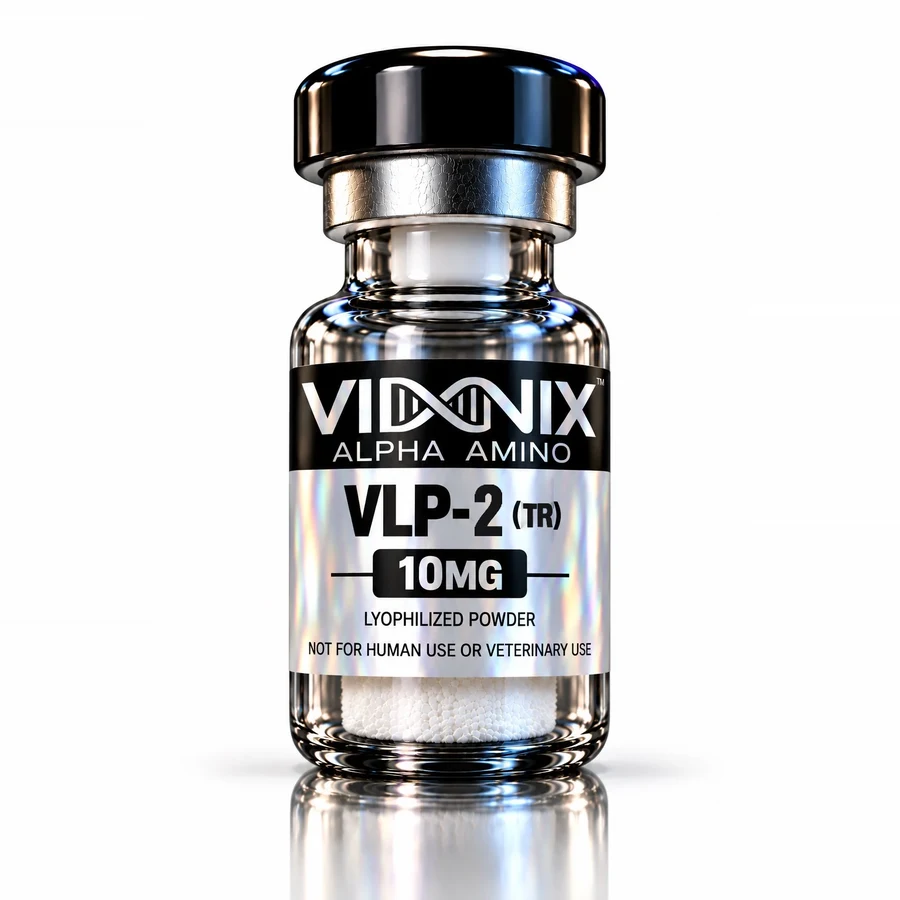
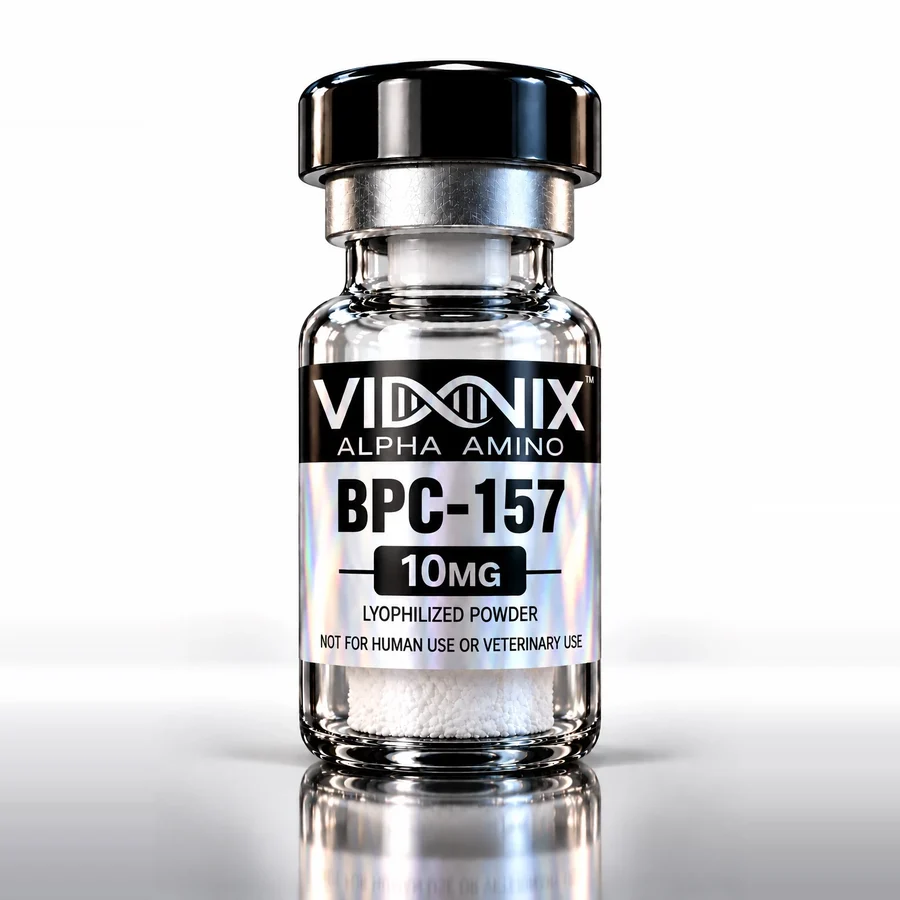
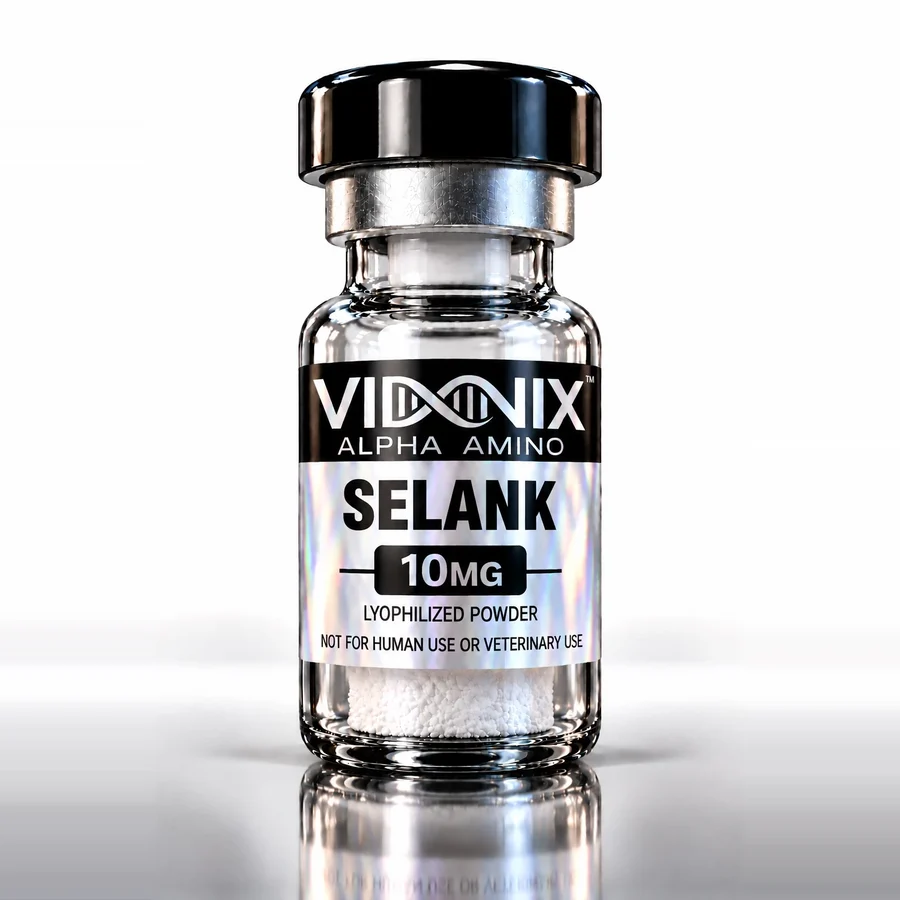
A few research peptides from the current catalog. A product page may carry specifications, quantity, batch information, storage information and analytical documentation, and it links through to a fuller compound profile.
The Vinnix catalog has three areas. Pick the one that matches the material or information you’re after.
The Vinnix peptide catalog, including individual compounds and peptide blends offered for their stated intended purposes.
Research blends that combine two or more peptides, with each component and its amount listed on the product page.
Peptide terminology, amino acids, analytical testing, storage concepts, sourcing and scientific research.
Vinnix organizes product specifications, research references and analytical documentation to help visitors understand the information associated with individual compounds. Where documentation is available, reports are identified by the relevant product or batch. Analytical results should be interpreted according to the test method, the sample analyzed and the information provided by the issuing laboratory.
Compound name, SKU, quantity and verified identifiers such as sequence, molecular formula and molecular weight.
Published literature cited on each compound page, with laboratory, preclinical and clinical findings kept distinct.
Plain explanations of HPLC, mass spectrometry and what each method can and cannot show.
Reports matched to the product and batch they describe, published in the COA Library as they become available.
Some highlights from the Vinnix Compound Library. Each page gathers the specifications, identifiers, documentation and background reading we have for that compound, including compounds that show up in Vinnix blends.
The full set of peptide profiles lives in the Vinnix Compound Library.
Peptides are molecules made of amino acids joined by peptide bonds. Their characteristics depend on factors including sequence, molecular structure and chemical composition. The Vinnix Research Library explains foundational peptide chemistry, individual compound terminology and analytical methods such as high-performance liquid chromatography and mass spectrometry. Start with What Are Peptides? or Understanding HPLC.
Sequence is the order of amino acids along the chain, and it shapes both identity and structure. Two peptides with the same number of amino acids can be completely different compounds. That’s why every Vinnix compound page opens with the sequence wherever one has been verified.
Peptides turn up naturally all through biological systems, and they can also be made synthetically for scientific and laboratory research. Chemists, biochemists, molecular biologists and pharmaceutical scientists all study them. One caution: what holds for one peptide shouldn’t be assumed for another. Understanding peptide research explains how to read the evidence.
The link between peptides and amino acids is direct: amino acids are organic compounds that act as the building blocks of peptides and proteins. Link them through peptide bonds and you get a peptide chain. Which amino acids are present, how many there are and the order they come in decide what the resulting molecule is. For a fuller introduction, read what are peptides.
Research on peptides and amino acids comes with a lot of jargon. The Vinnix Research Library exists to make that vocabulary easier to work through.
It covers peptides and amino acids from the ground up: sequences and terminology, peptide bonds, peptide synthesis, analytical testing, chromatography, mass spectrometry, certificates of analysis, storage terminology, individual peptide profiles, laboratory research, sourcing and manufacturing. Run into an unfamiliar term on a product page? The peptide glossary defines it briefly and points you to the full article.
Quality & transparency
Analytical testing characterizes a material by asking specific questions of a sample, and each technique answers a different one. Keep that in mind whenever you review the documentation that comes with a research peptide.
| Item | What it tells you | Learn more |
|---|---|---|
| HPLC | Chromatographic separation of the components in a sample. Peak areas are used to report a purity percentage. | HPLC testing |
| Mass Spectrometry | Measurement of ions by mass-to-charge ratio. Used to confirm that the measured mass matches the expected molecule. | Mass spectrometry |
| Certificate of Analysis | Specified information or analytical results associated with a sample or batch. | Certificate of analysis |
| Batch Information | Identifiers that connect a product to the documentation intended to correspond to it. | COA Library |
Peptide testing means using analytical methods to characterize a research compound, with each method picked to answer one particular question about the sample. Depending on the compound and the testing program, the documentation may cover identity, composition or purity.
Where documentation exists for a product, Vinnix publishes it, so you can look over the information tied to a specific product or batch.
Is it the right molecule? Mass spectrometry helps answer that by comparing the measured molecular mass with the mass expected from the formula.
How much of the sample is that molecule? An HPLC purity figure gives the share of detected signal in the main peak, under the conditions stated on the report.
Each report and each piece of product information should be tied to the product or batch it describes.
Technical information belongs on the page in plain terms, without marketing padding. For the method-by-method explanation, see the peptide testing and analysis guide.
The idea behind Vinnix is simple. Anyone looking for research peptides should be able to find product information that is clearly organized.
So the catalog leans on product specifications, lot and batch identification where it applies, and whatever analytical documentation is available. You won’t find product pages stuffed with broad claims. They stick to the compound: what it is, how it’s identified, and which documents come with it.
Analytical documentation for Vinnix products is added batch by batch, as each report is released.
Compound names, quantities and other relevant specifications appear right on the product pages.
The quality and documentation page describes the standards Vinnix applies when it evaluates suppliers and products, and our guide to sourcing research peptides covers what to ask any supplier.
Product and batch documents will be gathered in the Vinnix COA Library as they’re published, arranged so you can find the right one quickly.
Research Library
The Research Library is where we explain the science of peptides and amino acids behind the product pages, starting from first principles and going all the way to reading a report line by line.
Each article says what kind of evidence it rests on. Our research methodology explains how we choose sources.
What are peptides, and how do amino acids and peptide bonds put them together? This plain-English guide also covers how…
How a peptide bond forms, why it's flat and rigid, and why it holds peptide chains together so dependably.
High-performance liquid chromatography, commonly called HPLC, is an analytical separation technique used to investigate the…
Mass spectrometry turns peptides into ions, measures their mass-to-charge ratio and tells you whether a sample is the molecule…
Peptide purity describes the composition of a sample. A purity percentage only means something alongside its method, sample…
Seven steps to read a COA for a peptide, worked through on an annotated sample report and then on a clearly labelled illustrative…
Quick answers to the questions we hear most about Vinnix research peptides and documentation. The rest are on the Vinnix FAQ page.
Peptides are chains of amino acids linked by peptide bonds. They vary in sequence, length, structure and chemical behavior, so “peptide” names a large class of molecules rather than a single substance. A dipeptide has just two amino acids; longer chains can run to dozens. Our article on what peptides are goes into the structure in more detail.
Amino acids are organic compounds with an amino group and a carboxyl group on a central carbon, plus a side chain that gives each one its own chemistry. They’re the building blocks of peptides and proteins. Join them with peptide bonds and you get a peptide chain, whose identity depends on the order of the units.
It’s the order of amino acids in a peptide chain, written from the N-terminus to the C-terminus in one-letter or three-letter code. Sequence sits at the center of peptide identity: two chains with the same length and composition but a different order are different molecules. Vinnix compound pages list verified sequences where we have them.
Peptide purity tells you how much of a tested sample is the intended peptide versus other detected components. Most often it comes from HPLC, as the main peak’s share of total peak area. Always read a purity value alongside the method, the detection conditions and the batch tested. On its own it doesn’t confirm identity.
HPLC is a liquid chromatography technique. A pump pushes the dissolved sample through a packed column at high pressure, and components separate according to how strongly they stick to the column. A detector logs each one as a peak. For peptides, the main peak’s size relative to the rest gives the batch’s chromatographic purity.
Mass spectrometry turns molecules into ions and sorts them by mass-to-charge ratio. With peptides, the measured mass is checked against the mass expected from the molecular formula, which helps confirm identity. That’s a different question from the one HPLC answers, and it’s why certificates of analysis often report both methods together.
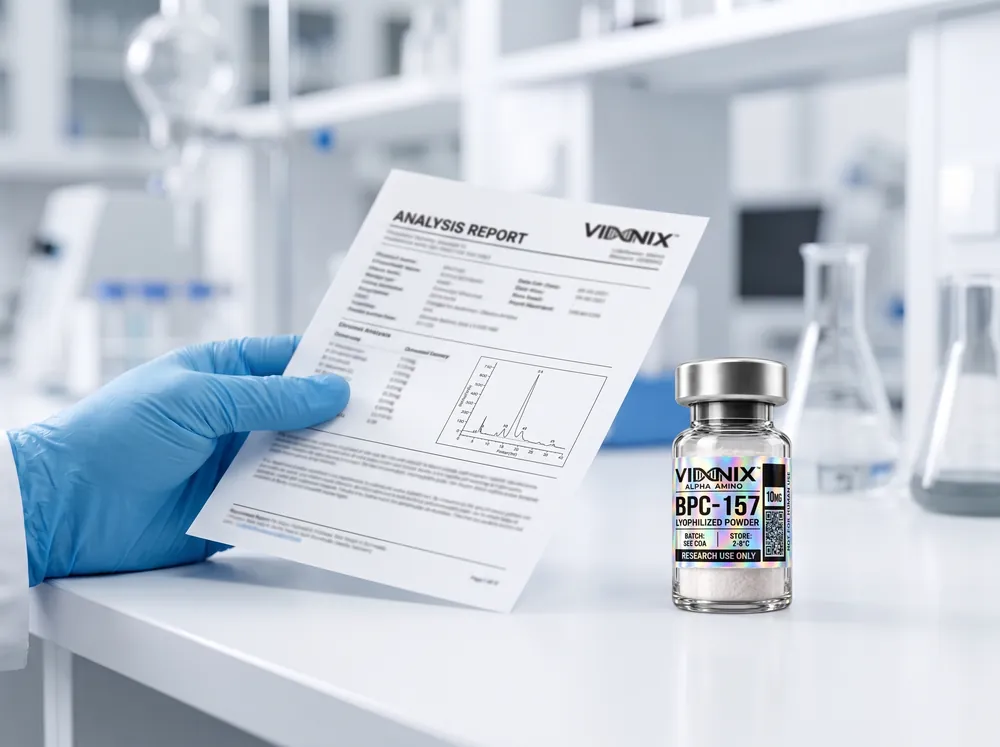
A Certificate of Analysis, or COA, is a document reporting specified information or analytical results for a particular sample or batch. A good one names the product, the batch or lot, the testing laboratory, the test date, the methods and the reported values. What it contains depends on the product and on the testing done.
It’s a COA for a batch of peptide. Usually it pairs an HPLC chromatogram and purity figure with a mass spectrometry result comparing observed and expected mass. First check that the batch number matches your product, then look at what each method actually measured. Our guide to reading a COA goes through it field by field.
It’s an identifier given to a specific production lot, a group of products made together. The number links the physical product to the records and analytical documents describing that lot. When you look at a COA, the batch number on the report should match the batch number that came with the product you’re checking.
No. A report belongs to one product and one batch, so don’t assume it applies to anything else. Different compounds may also be characterized by different methods. Look at the documentation listed for the exact product and batch you have, either on the product page or in the Vinnix COA Library.
Head to the Vinnix Compound Library. Each page there gathers compound information, terminology, specifications, documentation and background reading. Profiles list verified identifiers such as sequence, molecular formula, molecular weight and CAS number where available, summarize published research by study type, and link to the Vinnix products that contain the compound.
A product page can show the compound name, SKU, quantity, specifications, batch information, storage information and any available analytical documentation. Compound pages go further, with verified identifiers like sequence, molecular formula and molecular weight and a brief summary of published research labeled by study type. Anything Vinnix hasn’t confirmed yet is left blank until the batch record is published, never estimated.
When testing has been done or documentation exists, you’ll find it with the product or batch it covers, including the testing laboratory, date and methods. Read the specific report instead of assuming one report covers every product. Batch reports will be linked from each product page and collected in the Vinnix COA Library as they’re published.
It depends on the compound and the product format, so follow the storage information given for your specific product rather than one rule for every peptide. If Vinnix hasn’t published storage information for a product yet, it will appear on the batch record when that’s released. The Research Library has general background on lyophilized materials.
You’ll see shipping availability, restrictions and current policies at checkout and on the Vinnix Shipping Policy page. Orders go out according to product availability, and once tracking information exists we send it to the email address you used at checkout. Questions about a particular destination? Write to info@vinnixhealth.com.
Start with the Vinnix Research Library, which covers peptides, amino acids, analytical methods and individual compounds. The peptide glossary defines common terms in a sentence or two, the peptide testing guide explains HPLC and mass spectrometry, and the FAQ page handles documentation and order questions. For anything else, email info@vinnixhealth.com.
The Vinnix peptide catalog is the place: each listing shows the compound, SKU, quantity and the batch documentation available. When you’re comparing where to buy peptides for lab work, look at how clearly each supplier identifies the compound, the batch and the testing laboratory. Vinnix products are for research use only, not for human or veterinary use.

Get updates when we add new research peptides, publish Research Library articles or post new product documentation, plus the occasional Vinnix announcement.